 Lewisburg: 570-523-6872
 Text: 570-755-3550


Surgical Abortion
Considering Surgical Abortion? Get the Facts First
When facing an unplanned pregnancy, it’s crucial to have accurate education about all your options. If you are considering surgical abortion, it is important to know how it works and understand the risks. This knowledge can help you make the best decision for your health and future.

What is Surgical Abortion?
Surgical abortion is a medical procedure that terminates a pregnancy through surgical intervention. The specific technique used depends on factors such as gestational age, medical history, and individual circumstances.
Types of Surgical Abortion Procedures
Surgical Abortion Side Effects and Risks
Both surgical abortion procedures carry risks such as:
- Uterine Perforation: An instrument may accidentally puncture the uterus, possibly needing surgical repair.[4]
- Asherman Syndrome: Scar tissue inside the uterus from repeated procedures can impact future fertility.[5]
- Pelvic Inflammatory Disease (PID): Bacteria introduced during surgery may cause infection in the reproductive tract.[6]
- Intense Pain: Studies show second-trimester abortions like D&E can be more painful than expected.[7]


How Much Does Surgical Abortion Cost?
The cost of surgical abortion varies depending on several factors, including the type of procedure, your gestational age, and your insurance coverage. Generally, you can expect the following price ranges[8]:
- First trimester abortion: Costs typically range from $600 to $800 on average.
- Second trimester abortion: If you are still early in the second trimester, the average cost is $715. Later on, prices can range between $1,500-2,000.
Additional costs may include consultation fees, laboratory tests, ultrasounds, and follow-up care, which can add to the total expense.
Is Abortion Legal in Pennsylvania?
Currently, abortion is legal in Pennsylvania through the 24th week of pregnancy. Exceptions can be made if the health of the pregnant woman is in danger.


Why You Need an Ultrasound Before an Abortion
Before considering any abortion procedure, it’s crucial to receive an ultrasound. An ultrasound provides the information needed to make a safe decision by:
Confirming the Pregnancy
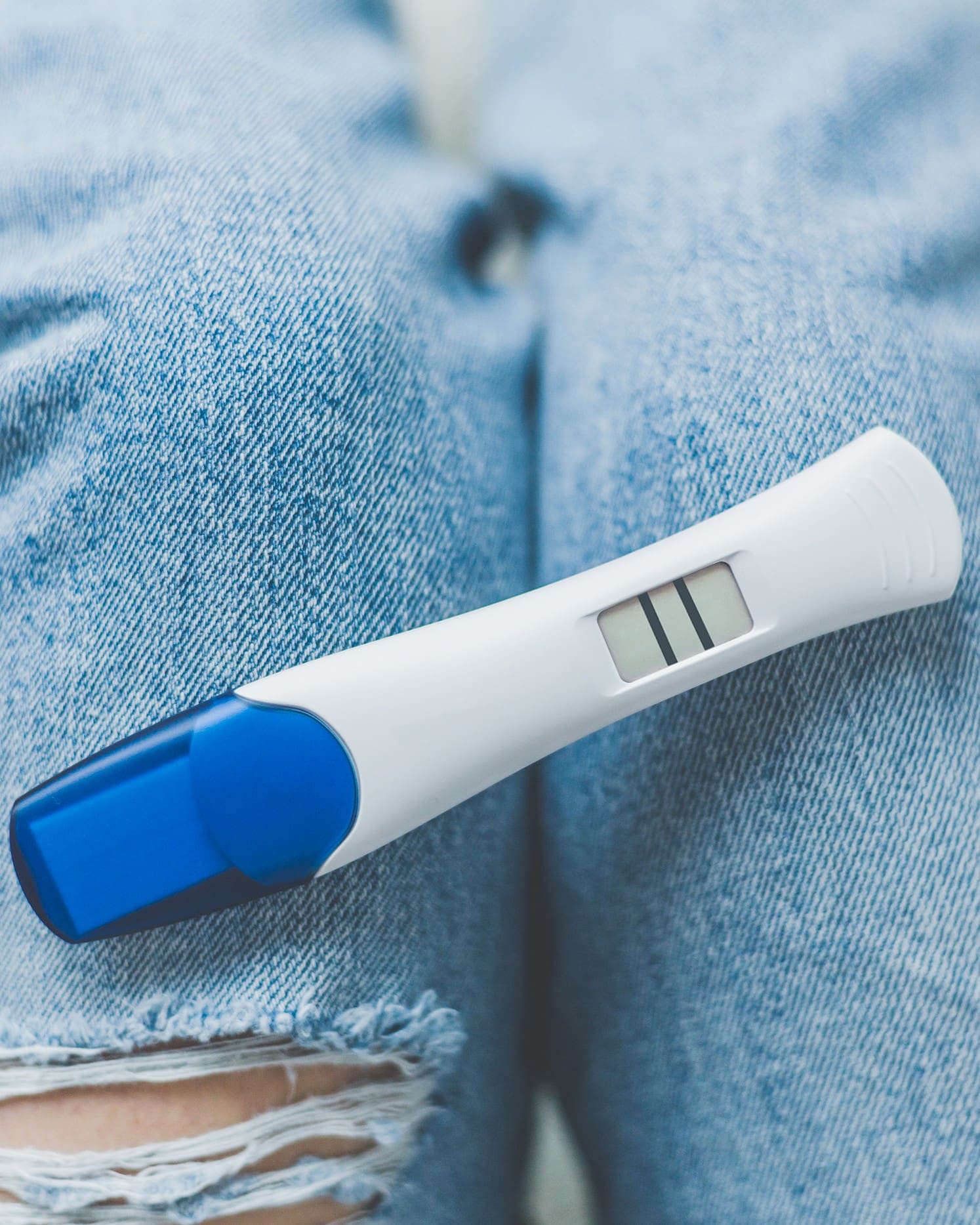
Home pregnancy tests can sometimes show false positives because of certain medications, medical conditions, or user error. An ultrasound provides definitive confirmation of pregnancy.
Determining Gestational Age
Accurate dating is essential because abortion is only legal in Pennsylvania up to 24th weeks. Additionally, certain procedures are only offered up until certain points in pregnancy. An ultrasound gives the best estimate of gestational age. This may be different from calculations based on your last period.
Ruling Out Ectopic Pregnancy
An ectopic pregnancy occurs when the embryo implants outside the uterus, most commonly in the fallopian tubes.
This condition poses a life-threatening risk and doctors cannot treat it with abortion. An ultrasound can identify ectopic pregnancies that require immediate medical attention.
Abortion Education in Lewisburg, Pennsylvania, and Williamsport, Pennsylvania
When your pregnancy test comes back positive, it can be easy to panic. Don’t let fear make the final decision for you. Get the care and support you deserve at Expectations Women's Center.
We provide free pregnancy resources, so you can make the best decision for your unplanned pregnancy:
Our Services Include:
- Free pregnancy tests – Confirm your pregnancy with medical-grade testing
- Free ultrasounds for pregnancy confirmation and dating– Determine gestational age and confirm pregnancy viability
- A safe, non-judgmental place to explore your pregnancy options and process your emotions
- Compassionate support from trained staff who understand what you’re going through
- Resource connections to help you access additional support services
- Education about all your options including parenting and adoption resources
Give us a call at 570-523-6872 or schedule your appointment online. All services are confidential and free of charge!
We do not provide extended OB/GYN or pre-natal care, birth control prescriptions or devices, fertility testing, abortion services, referrals for abortion or STI/STD testing.

Frequently Asked Questions
Sources
- Cleveland Clinic. (2024, February 9). Dilation and Curettage (D & C). https://my.clevelandclinic.org/health/procedures/dilation-and-curettage
- Mayo Clinic. (2023, November 7). Dilation and curettage (D&C). https://www.mayoclinic.org/tests-procedures/dilation-and-curettage/about/pac-20384910
- Cooper, D. B., & Menefee, G. W. (2023, May 7). Dilation and Curettage. StatPearls [Internet]. https://www.ncbi.nlm.nih.gov/books/NBK568791/
- U.S. National Library of Medicine. (2024, April 5). Abortion – Surgical. MedlinePlus. https://medlineplus.gov/ency/article/002912.htm
- Mayo Clinic. (2024, July 6). Elective Abortion: Does it Affect Subsequent Pregnancies? https://www.mayoclinic.org/healthy-lifestyle/getting-pregnant/expert-answers/abortion/faq-20058551
- Mayo Clinic. (2022, April 30). Pelvic Inflammatory Disease (PID). https://www.mayoclinic.org/diseases-conditions/pelvic-inflammatory-disease/symptoms-causes/syc-20352594
- Dzuba, I. G., Chandrasekaran, S., Fix, L., Blanchard, K., & King, E. (2022, May 12). Pain, Side Effects, and Abortion Experience Among People Seeking Abortion Care in the Second Trimester. Women’s Health Reports (New Rochelle, N.Y.). https://www.ncbi.nlm.nih.gov/pmc/articles/PMC9148646/
- As advertised by abortion providers.
- Pennsylvania General Assembly. (2025, January 8). House Bill 26. https://www.palegis.us/legislation/bills/2025/hb26
- As advertised by abortion providers.
- Schreiber, C. A., Sober, S., Ratcliffe, S., & Creinin, M. D. (2011). Ovulation resumption after medical abortion with mifepristone and misoprostol. Contraception, 84(3), 230–233. https://doi.org/10.1016/j.contraception.2011.01.013
- Cleveland Clinic. (2022, January 8). Asherman’s Syndrome. https://my.clevelandclinic.org/health/diseases/16561-ashermans-syndrome